
Audemars Piguet vs. Rolex: Which Luxury Watch Holds More Value in 2026? Guide for London Buyers

If you had £30,000 sitting in a high-yield savings account right now, would you feel secure, or would you feel like you were missing out on something tangible? For the modern London investor, the “Great Watch Debate” of 2026 has moved far beyond the boardroom. It is happening in the coffee shops of Mayfair and the specialised boutiques of the City. We are talking about the two titans of horology: Audemars Piguet (AP) and Rolex. Both brands represent the pinnacle of success, but as the global economy recalibrates, the question on every collector’s lips is no longer just “Which looks better?” but “Which one will protect my capital?”
At Trade Watches UK Ltd we understand that buying a luxury timepiece in London is a deeply personal milestone. It represents late nights alongside closed deals and a legacy for the next generation. However in a year where the UK luxury watch market is projected to continue its resilient growth despite wider economic shifts choosing between the “Crown” and the “Royal Oak” requires a blend of passion and cold, hard data.
The Rolex Resilience: Why the Crown Still Reigns in the City
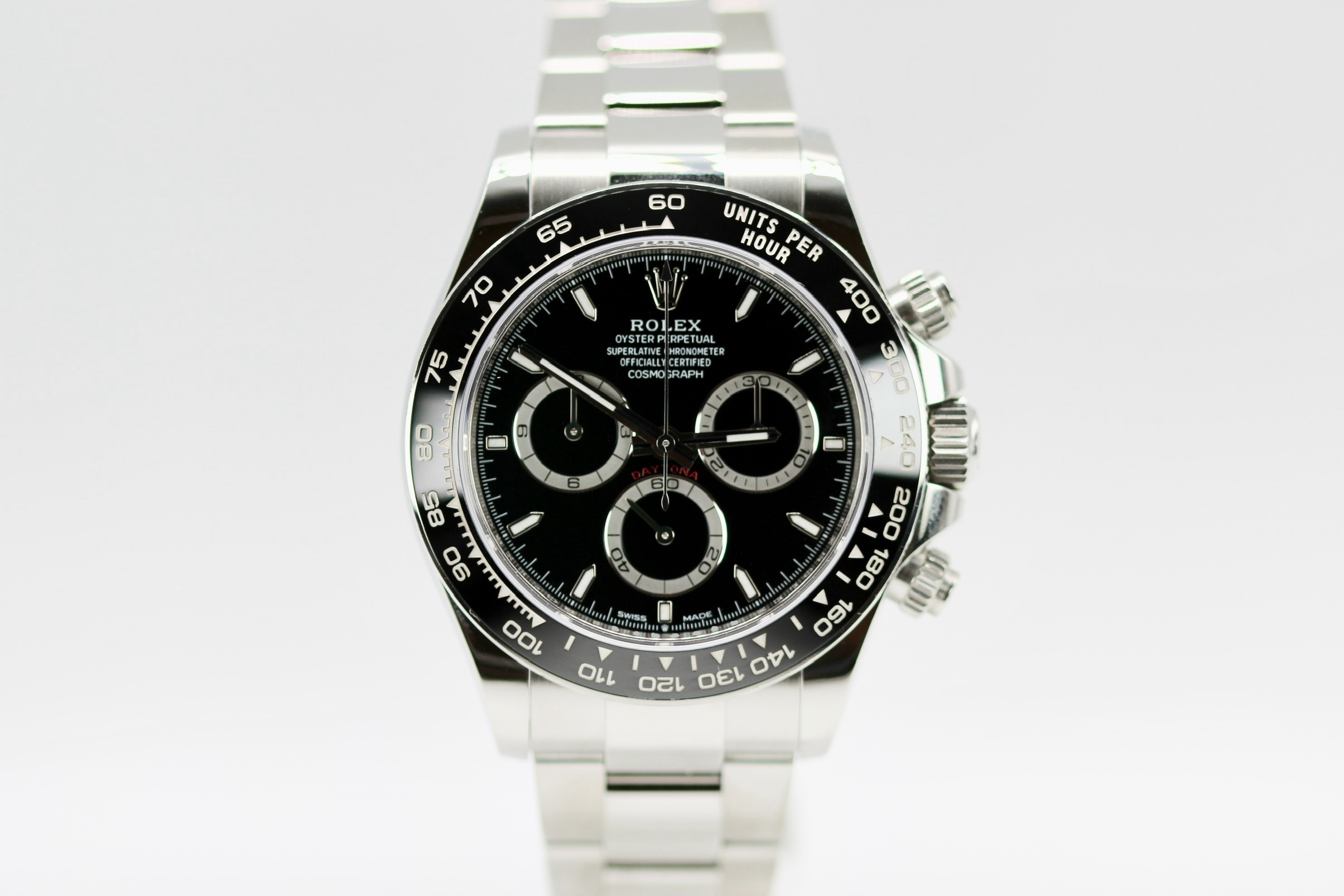
Rolex remains the “gold standard” for a reason. In 2026, the brand’s market share continues to dominate, with recent industry reports indicating that Rolex accounts for over 30% of total Swiss watch sales in value. In London, a stainless steel Daytona or a GMT-Master II “Pepsi” is essentially liquid currency. You can walk into almost any reputable dealer in Hatton Garden and exit with a fair market price within the hour.
The beauty of Rolex lies in its predictable “S-curve” of value. While the frantic price bubbles of 2022 have burst, Rolex has returned to its historical trend of steady, inflation-beating appreciation. Data from WatchCharts suggests that while some “hype” models have softened, the core professional collection maintains a retention value of roughly 105% to 120% of RRP on the secondary market. For the investor who prioritises liquidity and “safety” above all else, the Crown is almost impossible to beat. It is the blue-chip stock of the watch world—reliable, universally recognised, and consistently in demand.
The AP Aura: Is the Royal Oak the Ultimate London Power Play?
If Rolex is the blue-chip stock, then Audemars Piguet is the high-growth “tech unicorn” of the horological world. When you decide to buy an AP watch in London, you aren’t just buying a timekeeper; you are entering a restricted club. AP’s strategy of scarcity is far more aggressive than Rolex’s. With an annual production limited to roughly 50,000 to 55,000 pieces—compared to Rolex’s estimated 1.2 million—the supply-demand imbalance is staggering.
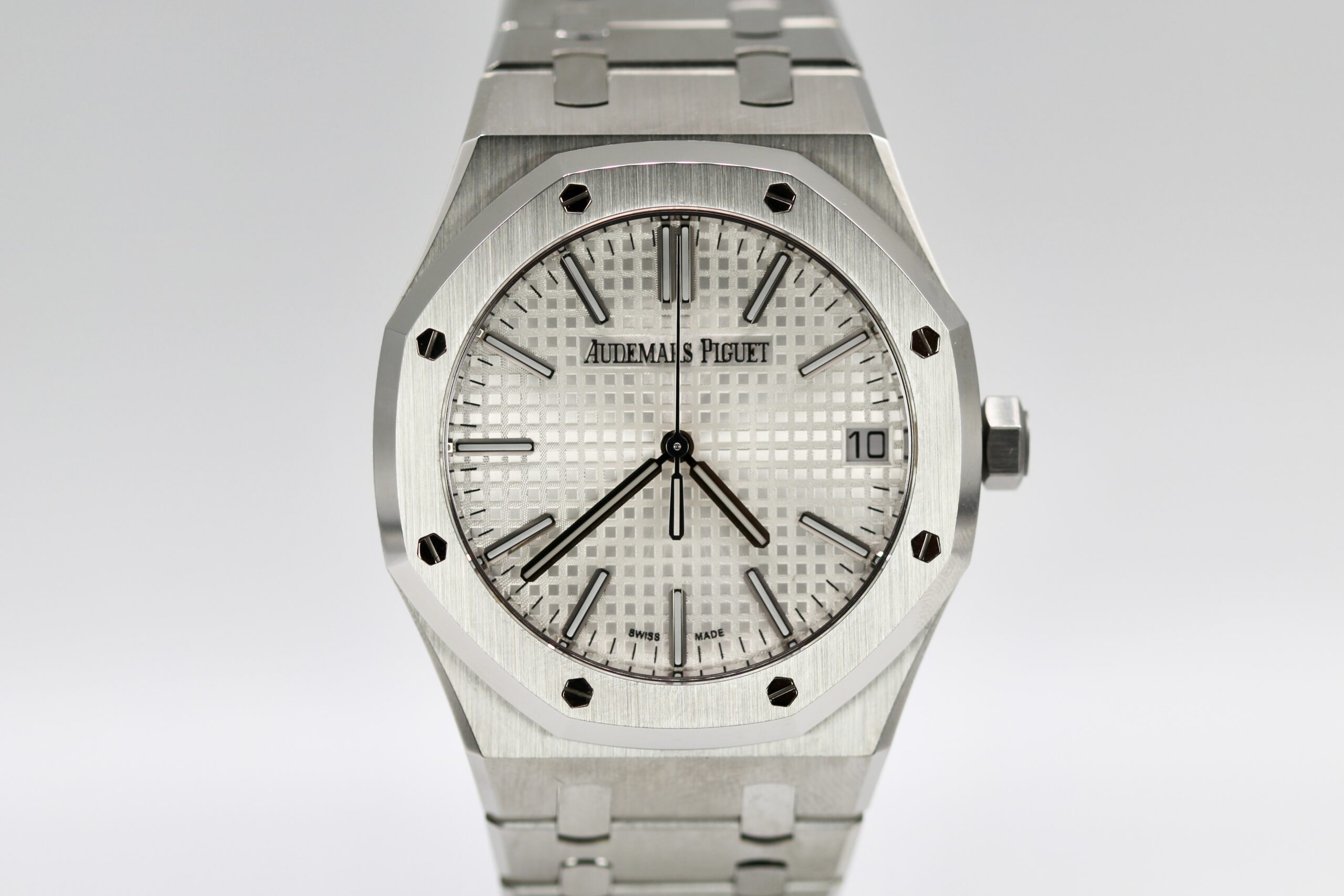
The Royal Oak, designed by Gérald Genta, remains the undisputed king of integrated-bracelet sports watches. In 2026, the “Jumbo” Extra-Thin references are still commanding premiums that double or even triple their retail price. However, AP is a more “volatile” investment. While a Rolex might grow by 5% a year, an AP can swing by 20% based on cultural trends or a specific celebrity endorsement. For the London collector who wants to stand out in a sea of Submariners, the AP offers a level of “if you know, you know” prestige that Rolex simply cannot match. It is a statement of extreme wealth and curated taste.
Which Investment Strategy Fits Your 2026 Goals?
Choosing between these two depends entirely on your risk appetite and how you intend to wear the watch. We often see two distinct types of London buyers:
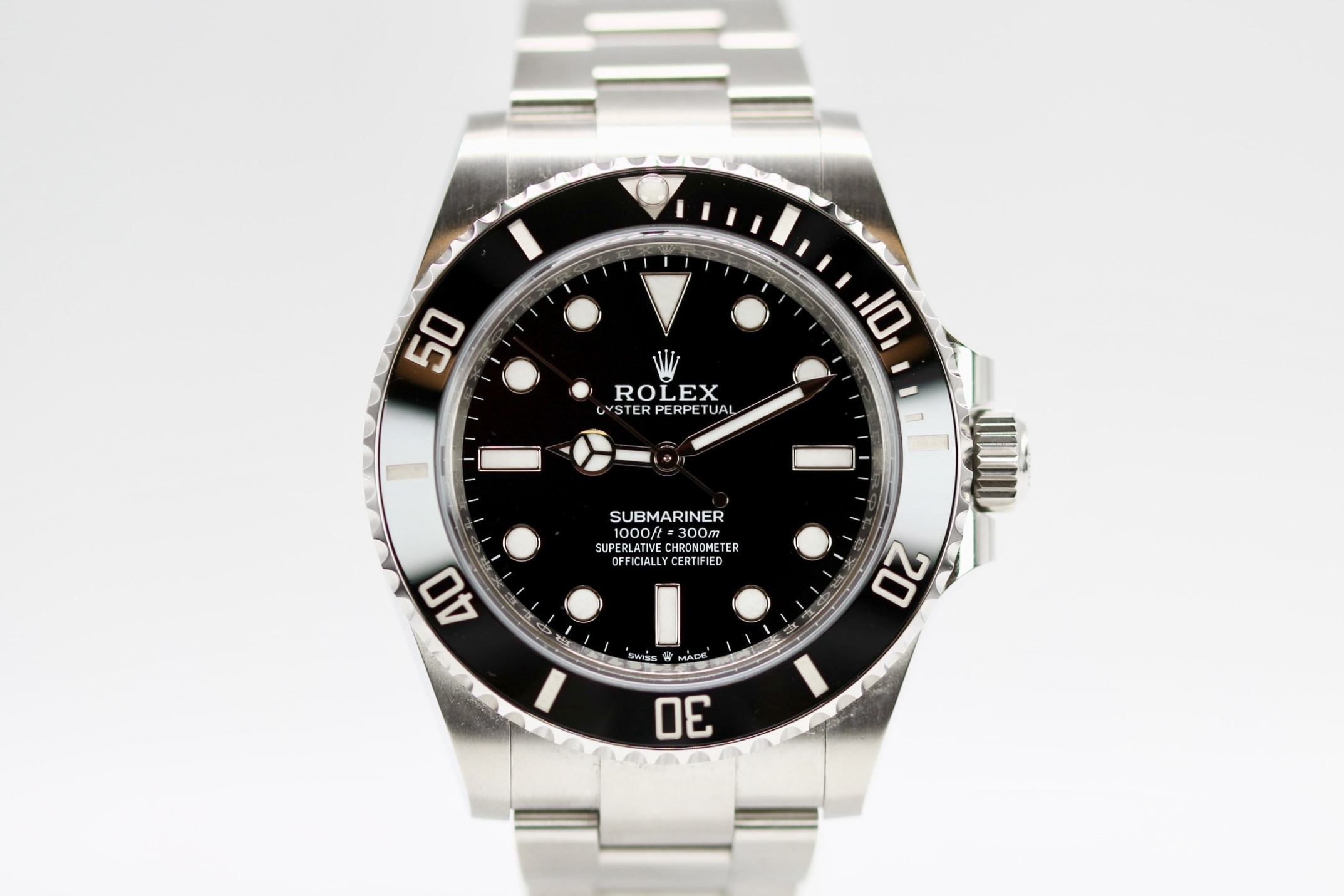
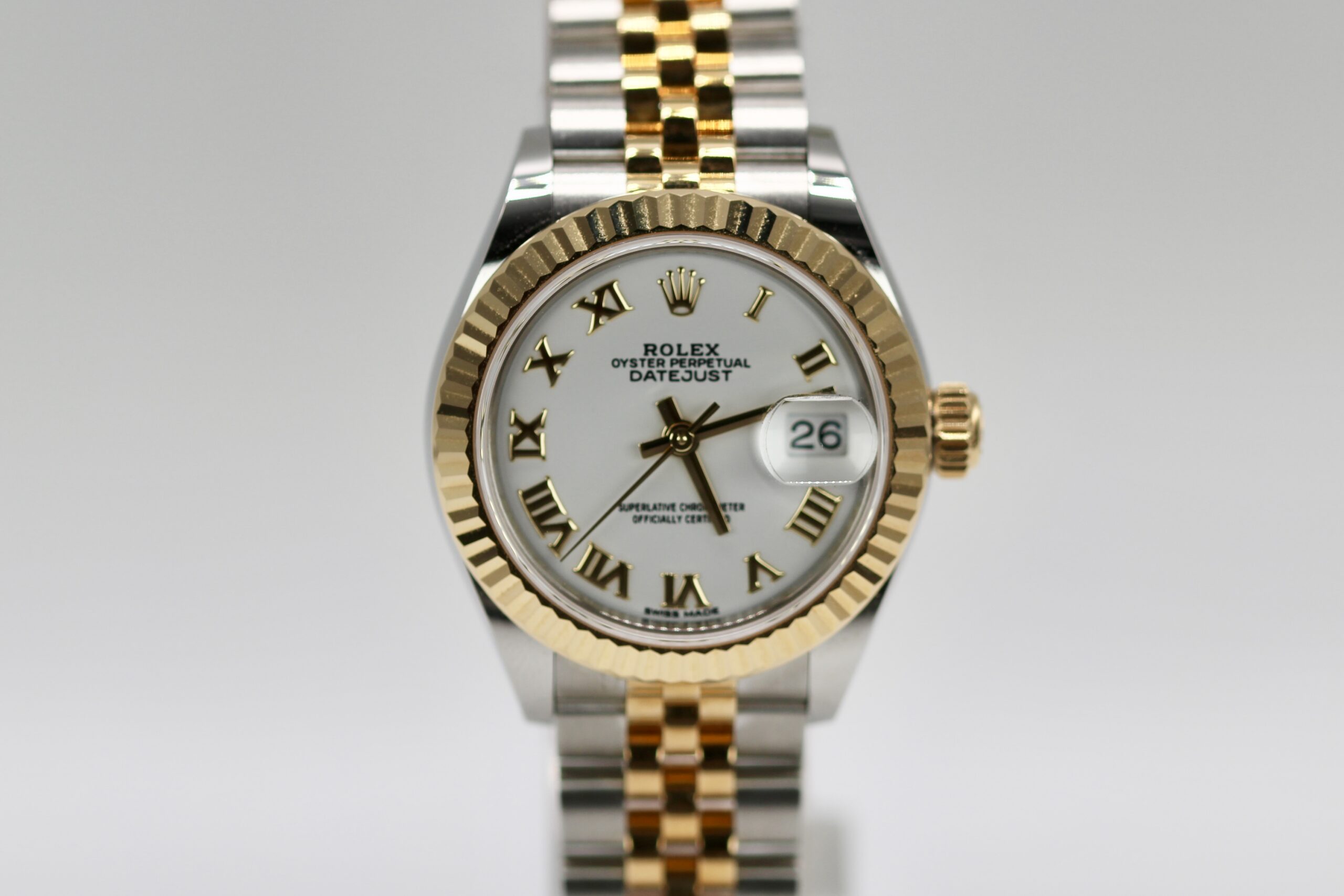
- The “Defensive” Collector: This person wants a daily wearer that will never lose its value. They opt for the Rolex Submariner or Datejust. These watches are robust, easily serviced, and have the highest “re-saleability” in the UK market.
- The “Aggressive” Collector: This individual is looking for a trophy asset. They are willing to hunt for a Royal Oak 15500ST or a Royal Oak Offshore. They understand that while the entry price is higher, the potential for a “holy grail” payout in a decade is significantly greater.
According to data from the Federation of the Swiss Watch Industry, the demand for “High Horology” (watches costing over £25,000) has grown faster than any other segment in the last 24 months. This favours AP. However the sheer volume of the Rolex secondary market in London provides a safety net that AP with its niche following cannot always guarantee in a sudden downturn.
Navigating the London Market: Why Authenticity is the True Value
Whether you are leaning towards the industrial elegance of AP or the iconic reliability of Rolex, the “London factor” adds a layer of complexity. With the rise in sophisticated “super-clones,” the value of your investment is only as good as its provenance. A watch without its original “Box and Papers” in 2026 can see a value reduction of 15% to 25% instantly.
At Trade Watches UK Ltd, we do not just facilitate transactions; we provide the empathy as well as expertise needed to navigate these high-stakes decisions. We have seen the heartbreak of a “bargain” turning out to be a fake and the triumph of a client whose 2018 purchase has now doubled in value. In the London market, your dealer is your most important partner. We treat every inquiry with the gravity it deserves because we know that for you, this isn’t just a watch—it’s an achievement.
Ready to secure your 2026 legacy? Whether you are looking to start your journey with a classic Rolex or you are ready to buy an AP watch in London to crown your collection, the time to act is when the market is stable.
Frequently Asked Questions
- Is it harder to buy an AP watch in London compared to a Rolex?
At a retail level (Authorised Dealers), AP is significantly harder to acquire. The waiting lists for a Royal Oak can span several years or require a previous purchase history of several “less popular” models. On the secondary market, however, London has a healthy supply of both, though AP prices remain much higher relative to their retail cost.
- Which brand is cheaper to service in the UK?
Rolex is generally more affordable and convenient to service. With a wider network of accredited watchmakers in London, a standard service typically costs between £600 and £900. An AP service must almost always go back to the manufacturer, often costing upwards of £1,200 to £2,000 and taking several months.
- Does the “Grey Market” affect the investment value in 2026?
The grey market (unauthorised dealers selling new watches) actually helps set the “true” investment value. If the grey market price is significantly higher than the RRP, the watch is a strong investment. In 2026, both AP and Rolex continue to trade above retail, though the gap has narrowed compared to the 2021/2022 peak.
- Should I buy a vintage Rolex or a modern AP for investment?
Vintage Rolex (1960s–1980s) is a very stable, “museum-grade” investment but requires immense knowledge to avoid “franken-watches.” Modern AP is more about contemporary luxury and “flex” appeal. If you want a “sure thing,” go vintage Rolex; if you want a modern icon, go AP.
- How do I prove the value of my watch for insurance in London?
You should obtain a “Valuation for Insurance” certificate from a reputable specialist. In 2026 most London insurers require an updated valuation every two years as the market for brands like AP and Rolex can shift quickly. We provide these services to ensure your asset is fully protected at current market replacement costs.
CURRENT COLLECTION
Here’s what our clients say
Posted on Google
 Mohammed Omar Faruque17 September 2026
Trustindex verifies that the original source of the review is Google.
From start to finish it was quite a simple process really. Hayden gave me a valuation for my watch based on my online submission and that was the amount he paid me instantly for the watch on the day I took it to him for an inspection. He offered a fair, competitive price with what other traders offered me. It was zero hassle, no haggling, professional and the entire experience was actually quite enjoyable. I would recommend Hayden if you are looking to sell or buy your next luxury watch.Posted on Google Toby Hiscox16 September 2026I was really happy with the service that was offered to me when selling my Rolex Daytona, Hayden and the team were really accommodating and get a real personal touch to their service. Hands down one of the better places to sell your watch to or buy from and I would definitely go back again.Posted on Google
 Mashud10 September 2026Really smooth and reassuring experience working with Hayden, would highly recommendPosted on Google
 Michael Schumacher4 September 2026Fantastic guys, sourced me a Patek Philippe 5065 second hand in London. Super service, communication, great value and definitely would use again. They went above and beyond so highly recommended! Thanks guys.Posted on Google
 r c27 August 2026contacted Trade watches to get an offer for my watch, Hayden replied with all information that I need moving forward. Booked an appointment with Ben for watch verification, payment made after. Smooth transaction from beginning to end, would highly recommend Trade watches. Best, RainPosted on Google
 Q26 August 2026⭐⭐⭐⭐⭐ Outstanding Service – Highly Recommended I can’t recommend Trade Watches UK Ltd highly enough. From start to finish, the service provided by Hayden and Ben was absolutely first class. What really stood out was the personal approach. They were friendly, knowledgeable and professional throughout, taking the time to answer questions and making the whole experience feel straightforward and completely pressure-free. It’s refreshing to deal with people who clearly have a genuine passion for premium watches while also placing such importance on customer service and building long-term relationships. The entire experience gave me complete confidence that I was dealing with people who value their reputation and their customers just as much as the watches they trade. After this experience, Hayden and Ben at Trade Watches UK Ltd will absolutely be my first point of contact whenever I’m looking to buy or sell a premium timepiece in the future. Exceptional service, a genuinely personal experience and a company I would happily recommend to any fellow watch enthusiast. Five stars without hesitation.Posted on Google
 adam williams13 August 2026I've just bought my first Rolex through Trade Watches UK and couldn't be happier. It's always a concern buying something online, especially of high value as you never truly know if it's right until you see it in the flesh. I needn't have worried. The watch is absolutely stunning, completely flawless, and the sales and aftersales service has been brilliant. Hayden has personally handled every enquiry from start to finish quickly and with complete professionalism. Nothing has been too much trouble and he has gone above and beyond eveytime we have spoken both online and over the phone. If I'm fortunate enough to be able to buy another, I won't even look anywhere else, I'll be coming straight back to these guys. Thanks againPosted on Google
 Joe Batten24 July 2026From start to finish, Trade Watches did everything that they promised, Hayden called me to talk me through the process of sellingour watches...we sent our watches on a Thursday which was all paid for by them...by lunchtime on Friday they called to say the watches were received, and we received the money before the end if the day. I would highly recommend this company to anyone with a high end watch who's thinking of selling, they couldn't be better...Posted on Google
 Adila Saleh23 July 2026Absolute great services from Ben and Hayden today. Would highly recommend them, best in the game, will be back for surePosted on Google
 Houman Ashrafzadeh21 July 2026Quick and reliable, great service. Highly recommend!Posted on Google
 Official Zilla13 July 2026I had a great experience selling my watch to Trade Watches UK Limited. The entire process was straightforward, professional, and hassle-free from start to finish. Communication was excellent throughout, and the team was friendly, knowledgeable, and transparent about the valuation. The offer was fair, payment was made promptly as agreed, and everything was handled efficiently. It's refreshing to deal with a company that does exactly what it promises. I wouldn't hesitate to use Trade Watches UK Limited again in the future and would highly recommend them to anyone looking to sell a luxury watch.Posted on Google
 forbes champion10 July 2026I had a great experience selling my watch. Hayden offered a very fair price, made immediate payment, and the whole process was straightforward and hassle-free. Professional, friendly, and a pleasure to deal with from start to finish. I would happily recommend them to anyone looking to sell a watch.Posted on Google
 Daisy-mae Hunter10 July 2026received a watch from trade watches as my birthday surprise , the whole experience was really nice and how the surprise was planned out was amazing including the watch would definitely would recommend if your watchPosted on Google
 Matthew Thorne9 July 2026Great experience buying and selling through Trade Watches UK LTD. Hayden explained the process clearly and answered all the questions I had. I would happy deal with them again and would recommend them to anyone.Posted on Google
 Dave Holmes9 July 2026Excellent straightforward and polite service highly recommendedPosted on Google
 RICHARD TINNING27 June 2026Purchased a Rolex submariner rolesor, Hayden kept me informed throughout the transaction, watch arrived by Royal mail promptly, very happy with the watch. And absolute professional service, he answered any questions i had, and a very fair price , would highly recommend Trade watches.Posted on Google
 Andrew Francis23 June 2026Met the guys yesterday as my mate bought a Daytona. Great atmosphere and honest advice on watches. Hayden and Ben are both really personable, top guys. I’ll definitely be buying a watch from Trade Watches soon. Can’t recommend them enough.Posted on Google
 Steve B19 June 2026Hayden and Ben both great to deal with. Made good offers for my watches, no trying to chip when we came in, paid instantly. Will be my first port of call for any watch deal in the future. Faultless servicePosted on Google
 Liz Stewart10 June 2026Can not recommend Trade watches UK enough. Fantastic experience from start to finish. After receiving a great price Ben explained the process very clearly, arranged postage which obviously I was nervous about but was given lots of reassurance so I posted the item at 4pm and they recieved it by 11 the following day. We recieved full payment within the hour with no stress in-between. Very professional and a pleasure to do business with.Posted on Google
 SAV9 June 2026Excellent service from Hayden and Ben. The process of selling was so swift and smooth. Hayden kept me updated throughout the process and responded quickly to any queries I had. They offered me more than others for my watch and the price they offered over the phone initially is what they paid when I dropped the watch to them. I highly recommend buying or selling your luxury watch with Trade Watches UKPosted on Google
 Manni Johal28 May 2026Hayden handled the sale of my Rolex James Cameron professionally from start to finish. Insured postage covered, clear and transparent communication throughout, and same day payment on arrival. Highly recommended and will use again - great experience!Posted on Google
 Thomas Clarke26 May 2026Worked with Hayden at Trade Watches UK who was amazing. Quick response Strong offer Great service Quick approval Sold a Breitling, and would recommend to anyone considering selling high-end watches.Posted on Google
 David Cheung Official23 May 2026Had a very smooth and easy transaction with Ben and Hayden today. Been speaking with them for a few days about a deal and immediately I knew they were the company to go with. 5 stars and fully recommended! Will deal with them again ⭐️⭐️⭐️⭐️⭐️Posted on Google
 Andyyia21 May 2026Had the joyful experience of dealing with Hayden and Ben, and even met the Dad, really personal guys, the watch was exactly what they advertised and their professionalism and attitude was refreshing, I would highly recommend them and will be in touch in the not to distant future to source another watch. Keep the good work up 👍🏻Posted on Google
 Richard Austin21 May 2026I purchased a beautiful Rolex Submariner, a watch I have been aspiring to buy for many, many years now. The watch was described as Perfect and it was. I had the pleasure of dealing with both Hayden and his brother Ben. They were both professional, friendly and knowledgable. Communications throughout the transaction were excellent. I highly recommend Trade Watches UK and I will definitely be using them again for any future purchases.Posted on Google
 John Blythe20 May 2026Hayden made the sale of my Rolex so straightforward, all I had to do was box it up and take to the post office. Offered a better price than other dealers, would definitely recommend if anyone is sceptical don’t worry brilliant service.Posted on Google
 Tony Zhang18 May 2026Excellent experience and Hayden is super helpful.Posted on Google
 Jane Livesey16 May 2026Got in touch with Trade Watches Uk Ltd about part exchanging my watch….. The service and advice from Hayden was 1st class from the moment I met him and I would highly recommend the experience using them! Very professional very knowledgeable and very happy with my Rolex purchase……Posted on Google
 Piers Walker16 May 2026Exceptional service from Hayden at Trade Watches UK I recently purchased a Patek Philippe Aquanaut from Trade Watches UK, and the entire experience was flawless. Dealing with Hayden at their offices was an absolute pleasure. He provided exceptional, professional service from start to finish. He made a high-value transaction feel completely secure and seamless. The watch itself was listed as being in very good condition, but honestly, it is in absolute mint condition—completely spotless and immaculate, with its original box, authentication and papers. I highly recommend Hayden and the team for their professionalism, transparency and top-tier client care. I would certainly buy from him and the business again.Posted on Google
 M Bou14 May 2026Today I spoke with Hayden regarding a Rolex and asked for a proper sense check. He immediately picked up on the important details, explained what to look for, and gave very professional, honest advice. Hayden proved to be an extremely knowledgeable and genuinely helpful. I even offered money for the time he spent with me but Hayden refused to take any. I highly recommend Hayden and I will have no doubt in going back to him. Keep up the good work 💪Posted on Google
 Jp Pierre12 May 2026Fantastic service throughout the whole process of upgrading to a Rolex 36mm day date. Haydn was great to deal with right from my initial enquiry. Non pushy, very knowledgeable and fun to deal with he offered me a good price on my two watches that I decided to trade in towards this Rolex. The whole process was simple and the day date was in superb condition and when I attended Canary Wharf to view the watch and complete the purchase, it was a totally relaxed and a non pushy experience. Both Haydn and his brother Ben run a superb business and I’d definitely recommend dealing with them. Superb experience and I’ll definitely stay in touch with them.Posted on Google
 Dominic Bryant6 May 2026Great, easy service selling my Tag Monaco. The price was better than offered by other dealers and no last minute haggling - Hayden paid what he quoted based on the photos I’d sent.Posted on Google
 Alam Zeb29 April 2026Great experience , fair and straight forward -one of the best place for Rolex in London - Hayden deals honesty and sincerity- I will recommend to every one who looking for good deals and experience.Posted on Google
 Ingrid ihlefield28 April 2026Hello, if i could give more stars i would. I just sold a ladies & Gents Rolex after a weeks worth of speaking to every dealer from here (Wales) to the Lake District and got fed up with low fluctuating offers , after talking to Hayden at Trade Watches, i was assured and felt like he was very fair with his offers also with such a daunting journey facing ahead of me to travel to London from West Wales Hayden offered to send me two prepaid labels with my watches fully insured to his address. Posted yesterday 27th April and today less than 24 hours later i have the agreed monies in my account. The whole process has completed and i’m pleased, No haggling and very transparent. Thank you Hayden, in this day and age he was Great and very Personable. I throughly recommend Trade Watches UK LTD.Posted on Google
 Emma Hutchinson27 April 2026A straightforward experience with a very fair price. Thank you!Posted on Google
 Nik Benson22 April 2026Hayden was fantastic to deal with from start to finish. Professional and knowledgeable. Transaction was quick and will certainly be using him in future. Highly recommended watch traders.Posted on Google
 L. west22 April 2026After a little digging around, and a few phonecalls to other dealers, I sold my watch to Hayden The guys were professional and great to deal with. A fair price paid and a pleasure to deal with before, during and after. Highly recommended 👍🏻.Posted on Google
 D Rooney21 April 2026Hayden was absolutely fantastic. Genuine, honest, true to his word and extra helpful. Good service all round.Posted on Google
 C F.19 April 2026We recently sold a couple of watches through Trade Watches UK, and the experience was excellent from start to finish. Hayden was fantastic to deal with. Very communicative, responsive and incredibly efficient throughout the entire process. He made everything straightforward and was able to secure the best possible outcome for us. What really stood out was his flexibility and professionalism. He worked around our schedule with ease and clearly knows his stuff when it comes to the watch market. Would highly recommend, whether you are buying or selling!Posted on Google
 Krish Soopramanien17 April 2026I sold a couple of watches at Trade Watches UK today and I was very happy with the price offered to me. I was very impressed with Hayden's professionalism and how easy he made the whole process. It has been a pleasure doing business with him and needless to say that I will be recommending him to my friends and clients for sure.Posted on Google
 UKI Sudbury Limited14 April 2026I have just recently purchased a Rolex Submariner from Trade Watches UK. I could not fault the service I have received, from start to finish the communication was faultless, purchased the watch yesterday and arrived in the post today. A beautiful watch in better condition than I could have imagined. Will definitely use Trade Watches UK again and can highly recommend them to anyone seeking a new luxury watch. Thanks guys!Posted on Google
 Adam25 March 2026Always a bit reluctant when an expensive watch and a substantial sum of money is involved. While the overwhelming number of five-star reviews was reassuring, there’s always a natural doubt about who you’re dealing with. I’m genuinely grateful to Hayden for his professionalism and clear communication throughout. The watch handover and payment process took no more than a few minutes—smooth, efficient, and exactly how you’d hope it to be when selling an expensive watch. I look forward to dealing with you again, whether for a purchase or another sale. Really appreciate the service. P.S. Hayden, apologies for posting this from a friend’s account—I seem to have locked myself out of my Gmail for the moment. AliPosted on Google
 Charles Smith9 March 2026Fantastic place to shop, with a great selection and excellent customer service. The staff were knowledgeable, friendly, and helped me find the perfect watch without any pressure. The quality of the watches and the attention to detail really stood out. Highly recommend this place to anyone looking for a stylish and reliable timepiece.Posted on Google
 Matt Goddard4 March 2026Best experience i’ve had with a trader. Hayden is honest & genuine.Posted on Google
 Elbashir Elhrari3 March 2026Thank you for the excellent service and smooth experience. Truly appreciated.Posted on Google
 Tom Earnshaw19 February 2026Hayden helped buy my mother’s rolex after it was no longer needed. Based in central Canary Wharf it was easy to get to and he helped provide a good evaluation of the market and competitive offer for the watch. Payment was direct and upfront, a very easy process. There was no chasing for the sale and he was very straight forward to deal with. I don’t regularly publish reviews, but I appreciated the ease and help Hayden providedPosted on Google
 Aahil Ali19 February 2026Hayden was exceptionally good, he made the whole experience effortless. Very trustworthy individualPosted on Google
 Simon Nicholson19 February 2026Just bought a watch from Trade watches uk ( Hayden ) and it was a great experience. The watch was in better condition than I expected and the price very very reasonable. Adjusting and sizing the watch was made so easy and efficient - plus there was the offer of future adjustments if required, at any time. Great contact made and hopefully will do business in the near future again. Thanks again.Posted on Google
 Chris Williams12 February 2026Hayden gave me a swift and fair price for my Rolex ; sure beats time wasters from Chrono24 and Watchfinder ! A more painless process you won't find !Posted on Google
 A J HICKS11 February 2026I recently received a beautiful piece from Trade Watches UK, and was very impressed. Hayden, was sincere, honest and professional throughout the transaction. No pressure was applied to buy and the whole process was made in a relaxed stress free environment. I cannot praise their working practices enough, I have no hesitation in recommending them based my my excellent experience, and will definitely be using them again for future purchases. Many thanks Hayden and Ben. AHPosted on Google
 david friend14 January 2026Very good experience, dealt with Hayden, I found him to be very professional and he put me at ease and gave me a good price for my watch.Posted on Google
 James Hakim14 January 2026Very professional and reliable. True to word. Would recommend thanks Hayden and Ben will be back!Posted on Google
 sue edwards14 January 2026I dealt with Hayden and found him sensible, trustworthy and reassuring in the advice he gave. He was totally professional. I wouldn’t hesitate to use this company again based on my experience with them.Posted on Google
 Stacey Harman14 January 2026Great experience from stat to finish. Hayden was great and didn’t push me to sell once I first spoke to him and gave me time to think. Other companies were very pushy and messaging various times a day. He explained the process fully and I receive Quick payment once they received my watch! Would definitely recommend!Posted on Google
 Ana Fernandes8 January 2026If you are looking to sell a luxury timepiece, I highly recommend asking for Hayden. I recently sold my Rolex to them, and Hayden made the process seamless. He was transparent, communicative, and very professional. It was a pleasure doing business with a shop that values efficiency and customer service.Posted on Google
 Rob Haldane22 December 2025Had a very good experience dealing with Trade Watches UK. Firstly with Ben when I went to see what Submariner watches were available. There was no rush, no pressure and I spent well over an hour looking at a few different types. I didnt make a purchase on the first visit but used the next week to do some research on what I had seen. A couple of weeks later I went back and was hosted by Hayden to look at one particular watch. Hayden was very knowledgeable and the whole experience put me at ease. So, after half an hour with the loupe I made my purchase. Its a big decision but there was no sales pressure, just guidance in a very relaxed environment and it all felt right. So, based on my experience I definately recommend Trade Watches UK.Posted on Google
 amaan20 December 2025Excellent price for a Rolex, swift transaction, would recommend Hayden all day every dayPosted on Google
 Marcus Gunn17 December 2025Thoroughly impressed with my buying experience with Hayden. Efficient, friendly, professional and demonstrated fantastic integrity by pointing out a tiny scratch that I prob wouldn’t have noticed. Refreshing to see this client care and based on today I would thoroughly recommend. Will keep in touch. Thanks Hayden.Posted on Google
 Paul Richards13 December 2025Sold my watch to these guys who gave me a fair price and pointed out floors which I missed when I purchased (school boy error) see you in the new year Thanks againPosted on Google
 Sunny Mehta12 December 2025First time I had to sell watches from my collection and came across Hayden at Trade Watches UK. At first was apprehensive as never sold any expensive watches before and even though I spoke with several dealers who were interested to buy my watches I found Hayden to be the most professional and thorough in dealing with me. He was very knowledgeable and talked me through the process and eventually we agreed a fair price that was amicable to both of us. I could have got more elsewhere but also there was no guarantee of that plus more importantly also Hayden paid me there and then in his office whilst I was there. Overall was a pleasure to do business with Hayden and met his wife and father who were also there and myself running a family run business preferred to equally deal with someone of similar values and business traits and ethics. Would definitely recommend to others looking to sell any watches as well as I’m sure I’ll possibly buy watches from them too in the future!Posted on Google
 Matt Blay12 December 2025The experience was outstanding from start to finish. They offered a fair price, communicated clearly, and made the entire process straightforward. The location is convenient, the team is trustworthy, and the overall service was genuinely pleasant. Highly recommended for anyone looking to buy or sell with confidence.Posted on Google
 Abul Haqkeek11 December 2025Great buyer! The transaction was smooth and hassle-free. He paid cash the same day and was very easy and safe to deal with. Highly recommendedPosted on Google
 Lee Taffurelli2 December 2025Just what to say that I have been buying watches from Haydon at trade watches UK for many years, what a family run business so professional and honest it an absolute blessing to know a watch company that I can trust 🙌..... I've even sold watches to Haydon and buy far been given the best price and service buy far ! so safe and smooth . If you can't make it up to see the team there postal service is unbelievable safe and secure. Thank you again Haydon, his family and trade watches uk its an absolute pleasure knowing you ...... have a lovely Christmas 🎄Posted on Google
 David Howard25 November 2025I contacted trade watch uk LTD about selling a rolex i had won in a competition. Hayden phoned me and explained about the watch and we came to a price which worked for us both. He was down to earth and honest which made my mind up to sell to him, if i am ever in a position to buy or sell a watch i wouldnt hesitate to call him.Posted on Google
 Jason smith23 November 2025I have recently purchased a watch from Trade watches If I could give more than 5 stars I would. From start to finish Hayden was a pleasure to deal with. If you are in the market for a prestigious watch from a trustworthy source I wouldn’t hesitate in recommending getting in touch with Hayden at Trade watches. Great personal service. Many thanks JasonPosted on Google
 Paul Smith25 October 2025A TRUSTWORTHY COMPANY AND 1ST CLASS CUSTOMER SERVICE ! I'm absolutely made up with my full set watch rolex date just 36mm two-tone 18ct gold diamond dot dial. I had spoken to a fella called Hayden on the phone he was so helpful and a very warming guy to speak to. I felt as though I had known him for years. nothing was to much trouble in asking him questions I never felt rushed in anyway and it was a breath of fresh air to hear someone so passionate about there job and business that him and his business partner ben had built up over the years that you can trust in buying your new time piece Hayden made sure i was happy with everything before going a head with the purchase. I was worried at 1st buying a watch over the phone and only just seeing pictures, I don't know why I was worried because when I received the watch by special delivery the next day as promised , it was in immaculate condition, with all papers and tags. And with invoice. it was 100% accurately, explained by Hayden. I'm so glad I bought from Trade watches uk Ltd. They are a company you can definitely trust in, and you will get 1st class customer from them. I would highly recommend trade watches uk Ltd to anyone. Thanks again, Hayden and Ben. Take care to you both, paul smithPosted on Google
 Mo Ben22 October 2025I met Hayden on holiday and got in touch when I was looking for an upgrade, within a week I had the watch I was after that was newer and a better price than I saw elsewhere. He gave me a competitive price for my trade in and even called me to tell me I had made an error on the transfer and he had refunded my overpayment. Honest watch dealer who is ready to be competitive on his prices while still offering the same if not better than the competition. I guess that’s why they are called Trade Watches. 🤝🏻Posted on Google
 Mark Bruty2 October 2025From start to finish the service was amazing. What i appreciated was 1. They did what they said they would do 2. The honoured the price on the phone 3. They kept me informed all the way 4. The office was great and secure 5. This is a genuine company run by knowledgeable and really nice guys Thank youPosted on Google
 Richard Ellis1 October 2025Highly recommend if you are looking to sell your watch. Way simpler than selling via other companies, fair pricing, and really genuine people. Hayden was very easy to deal with and wouldn't hesitate to use the company again in the future.Posted on Google
 Mxtr1x30 September 2025Sold my Rolex Submariner to this company. I had already had the watch on consignment with another company who did not deliver what they said. I spoke to Hayden at Trade watches who was extremely helpful and transparent. I collected my watch and agreed a price with Hayden. Upon inspection, payment was made instantly. It was a pleasure to deal with a professional and transparent watch dealer. They also sell some amazing watches and would happily use these guys again. Would strongly recommend to buy and sell with this company. Thank you.Posted on Google
 Jason Pert25 September 2025Would highly recommend buying a luxury watch from Trade Watches UK Ltd… The whole watch buying experience for my sons Rolex Submariner date model, was superb .. Hayden from Trade watches was totally professional and made the Rolex purchase so stress free.. The price was very reasonably compared to other UK luxury watch brokers. And the Rolex Submariner was in absolutely superb condition, as originally described… So Will definitely be returning to Hayden at Trade Watches UK for my next Rolex purchase..Posted on Google
 Lucky Begum24 September 2025I reached out to Hayden on WhatsApp about selling my husband’s watch, and he was so lovely and easy to communicate with. My husband and I went to see him, and the whole process went really smoothly. Hayden is honest, friendly, and professional. I’d highly recommend him — such a pleasant and efficient service. Thank you.Posted on Google
 Liudmila shivorganova21 September 2025I recently sold a watch and I must say that dealing with Haydon and Ben was very easy and pleasant. They are honest and reliable guys and I can confidently recommend them. Great service, thank youPosted on Google
 Fiona2 September 2025It was a real pleasure doing business with Trade Watches. Hayden was true to his word, and our transaction was seamless. Everything was handled in a such professional manner.Posted on Google
 Adams Peter27 August 2025Fantastic service and fair price. The nautilus, I purchased was as mint as promised. Special thanks for making it possible during your holiday. I definitely contact you next time, when updating my collection againPosted on Google
 Taimur Jawed27 August 2025I recently sold my watches to Trade Watches, and I couldn't be happier with how smooth and professional the entire process was. From the first point of contact with Hayden, both him and Ben were transparent and excellent. They provided a fair and competitive offer, and everything—from valuation to payment—was handled quickly and efficiently. If you're looking to sell a high-end timepiece, I highly recommend them. Excellent service from start to finish!Posted on Google
 Junaid H8 August 2025Amazing service from Hayden. Ordered a datejust 41 and received really fast. He kept me up to date on everything tooPosted on Google
 Roger Miles1 August 2025If you are in th market for a "Luxury Watch" then look no further than this company. Initially, dealing with Hayden was straightforward and very professional. Being in London, I chose to go to Canary Wharf. Ben, one of the company owners, looked after me and answered my questions about the Rolex I was interested in, which they had in stock. This was to be my second Rolex. I always felt relaxed and under absolutely no pressure to make the purchase. I walked out with the new watch on my wrist, and the box and paperwork in a bag, which would not draw attention as to what the contents inside were. Ben kindly accompanied me back to the car park right up to my car. We all know about the quality of Rolex watches, what sets the purchasing of one of these fine watches apart, is the quality and professionalism of the company you choose to deal with. I am so very glad that I used Trade Watches UK LTD. A truly enjoyable and memorable experience. Thank you Hayden & Ben. This happened yesterday, and I am still smiling at the memory of this transaction.Posted on Google
 Mike F24 July 2025This is a very professional and reliable company. I checked their financials and director structure before contemplating selling a very special high-end timepiece. Hayden Rose has been a controlling director since this company was incorporated in 2017 and has 8 years trading history. Very good to work with. I spoke with Hayden, who is down to earth, pragmatic and professional. Within half an hour I had a set of clear instructions and a Post Office parcel label. I shipped the watch for next day delivery (Insurance covered by their policy) and it was tracked in. Within 3 hours of the watch arriving at Trade Watches UK, I had the money in my account. The offer was very reasonable (higher than some of the really big players in this market). There are many companies offering higher amounts, but they are operating out of PO Boxes and when your watch arrives the offer is replaced for a much lower one. In a difficult to navigate market, stick with these guys and you will not go wrong. A family run business and great to deal with. I highly recommend and will use them again.Posted on Google
 S B17 July 2025Dealing with Hayden was fantastic from first enquiry to collection I did a part exchange and was fair with price on both purchase and amount he gave me for my watch. He was extremely helpful from first contact to collection and went over and beyond and transparent and honest all the way through the process. Would without doubt recommend Trade Watches UK and will definitely be in touch when I buy another watch.
